Skip to content

Many people try to manage eczema with creams, moisturizers, and skincare products, yet flare-ups still return without warning. The itching, dryness, redness, and irritation can feel frustrating, especially when the cause is not always obvious. What many people do not realize is that certain foods may quietly trigger inflammation inside the body and contribute to recurring skin problems.
The relationship between eczema and food allergies is especially important to understand because what you eat can sometimes influence how your skin behaves. Eczema is a long-term condition where the skin becomes dry, itchy, and easily irritated. In many cases, food reactions can act as hidden triggers that make symptoms worse.
When you understand this link properly, it becomes easier to manage flare-ups and improve overall skin health.
Understanding eczema and its connection with food
The relationship between eczema and food allergies is closely connected to the immune system. When the body reacts strongly to certain foods, it may release inflammatory chemicals that can affect the skin.
According to the American Academy of Dermatology, eczema is often linked with an overactive immune response and a weakened skin barrier. This makes the skin more vulnerable to irritation, dryness, and inflammation.
In some people, food allergens can trigger or worsen symptoms. These reactions may happen quickly or develop gradually over time, making them difficult to identify without careful observation.
The most important thing to understand is that eczema is not always caused by food, but food can sometimes contribute to flare-ups in sensitive individuals.
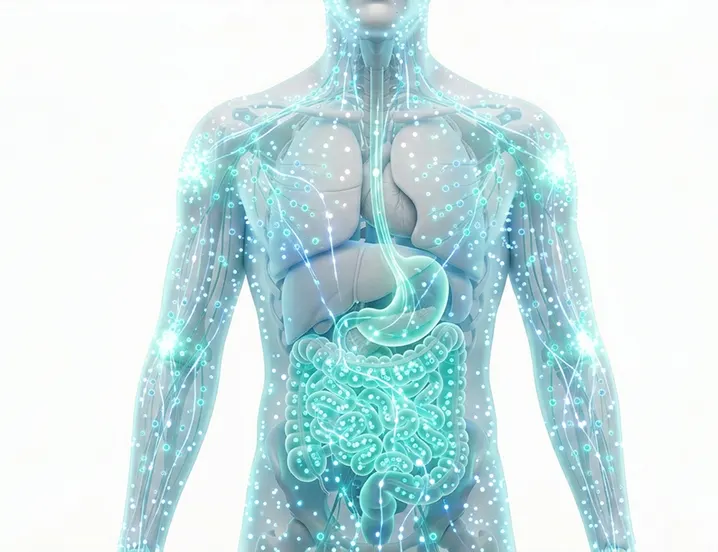
Common food triggers that can worsen skin flare-ups
Not everyone reacts to the same foods, but there are some common patterns seen in people dealing with skin sensitivity.
Foods often linked with flare-ups include:
- Dairy products like milk and cheese
- Eggs
- Wheat and gluten-based foods
- Nuts such as peanuts and almonds
- Processed foods with additives
These are often discussed when talking about eczema triggers food because they may increase immune sensitivity in some individuals.
The Mayo Clinic explains that food allergies and skin inflammation can sometimes appear together, especially in children and individuals with sensitive immune systems.
It is also important to understand that reactions are not always immediate. Some people may experience delayed flare-ups several hours or even days after consuming trigger foods.
Signs your skin may be reacting to food
One of the biggest challenges in managing skin issues is understanding whether food is involved or not. The link between eczema and food allergies can show up in different ways.
Some common signs include:
- Skin itching after meals
- Red patches that appear frequently
- Digestive discomfort along with skin irritation
- Flare-ups without clear environmental causes
- Persistent dryness or inflammation
These symptoms are sometimes associated with food sensitivity skin rash, where the body reacts negatively to certain foods without causing a severe allergic reaction.
Understanding possible skin allergy causes is important because skin irritation is not always caused by external products or weather conditions. Internal inflammation can also play a major role.
According to the National Health Service NHS, identifying personal triggers can help reduce recurring eczema symptoms and improve long-term skin management.

How food and immune response affect the skin
The connection between diet and skin health comes down to how the immune system behaves.
When someone has Eczema, the skin barrier is already sensitive. If certain foods trigger an immune response, the body releases inflammatory chemicals that can worsen symptoms.
Here is how the process usually works:
- A trigger food enters the body
- The immune system reacts to it
- Inflammation increases in the body
- The skin responds with redness, itching, or dryness
This is why eczema and food allergies often appear together in chronic cases.
The gut also plays an important role in this process. A sensitive digestive system can increase inflammation levels, which may directly reflect on the skin.
Simple dietary changes that may help reduce flare-ups
Managing skin conditions becomes easier when you start understanding your triggers. Small changes in diet can sometimes bring noticeable improvements.
Here are a few practical steps:
Identify trigger foods: Start by removing one suspected food at a time and observe your skin reaction over a few days.
Focus on clean, whole foods: Fresh fruits, vegetables, and natural foods help reduce internal inflammation.
Reduce processed items: Packaged foods often contain preservatives that may worsen sensitivity.
Stay hydrated: Good water intake supports skin repair and overall balance.
These changes can help reduce the impact of eczema and food allergies over time by lowering inflammation inside the body.

Lifestyle habits that support healthier skin
Food is important, but lifestyle habits also play a major role in managing skin health and reducing flare-ups. Along with managing eczema and food allergies, healthy daily routines can help keep the skin calmer and less reactive.
Manage stress
Stress can affect the immune system and increase inflammation, which may trigger itching and redness. Simple activities like walking, meditation, or relaxing hobbies may help reduce flare-ups.
Improve sleep quality
Poor sleep can weaken the skin barrier and make irritation worse. Getting enough rest helps the body repair damaged skin and maintain better balance.
Use gentle skincare products
Harsh soaps, fragrances, and strong chemicals can irritate sensitive skin. Using mild and fragrance-free skincare products may help reduce dryness and discomfort.
Keep skin cool and protected
Heat and sweating can often worsen itching. Wearing soft, breathable clothing and avoiding overheating may help keep the skin comfortable.
When combined with proper diet awareness, these habits can help improve long-term control of eczema and food allergies and support healthier-looking skin.
When to seek professional help
If symptoms continue for a long time or keep getting worse, it is important to get proper medical advice. Chronic skin conditions need a structured approach for proper management.
Doctors may recommend:
- Allergy testing
- Dietary evaluation
- Skin barrier treatments
- Long-term management plans
Understanding eczema and food allergies properly often requires professional guidance, especially when triggers are not easy to identify.

Conclusion
Managing eczema and food allergies is about understanding your body’s reactions and making small, consistent changes over time. Once you start identifying triggers, adjusting your diet, and supporting your lifestyle, skin health often becomes more stable.
Awareness of eczema triggers food, skin allergy causes, and food sensitivity skin rash helps you take better control of flare-ups instead of guessing what went wrong.
If you struggle with recurring flare-ups, persistent itching, or food sensitivity skin rash symptoms, professional guidance can help you better understand the root cause of your skin irritation. The NAET Clinic offers a structured approach to allergy and sensitivity care, focusing on identifying and addressing underlying triggers for better long-term balance.
FAQs
Food allergies do not always directly cause Eczema, but they can worsen symptoms in some people. This is why the connection between eczema and food allergies is important. Certain foods may trigger inflammation that leads to itching, redness, or flare-ups.
Some of the most common foods linked with skin irritation include dairy, eggs, peanuts, soy, wheat, and processed foods. However, triggers vary from person to person, which is why identifying eczema triggers food patterns is important for better control.
If your skin irritation regularly appears after eating certain foods, it may be connected to a food sensitivity skin rash. Common signs include itching, redness, swelling, or dryness that repeatedly shows up after meals.
Yes, in many cases dietary improvements can help reduce inflammation and support healthier skin. Eating balanced meals, avoiding trigger foods, and staying hydrated may help manage eczema and food allergies more effectively over time.
No, there are several possible skin allergy causes besides food. Stress, weather changes, dust, harsh skincare products, poor sleep, and environmental allergens can also trigger flare-ups.
Related Articles




Take the Next Step
If you’re searching for autism treatment near me, the next step is understanding what’s happening beneath the surface.