Skip to content

Have you ever finished a meal only to feel unusually tired, sluggish, or mentally foggy shortly afterward? While occasional sleepiness after eating is normal, experiencing it regularly may point to something more than just a heavy meal. One possible explanation is food sensitivity symptoms, which can affect the body in ways that are not always easy to recognize.
Unlike a food allergy that causes an immediate immune response, food sensitivities often develop gradually. Their symptoms may appear hours or even days after eating certain foods, making it difficult to identify the actual trigger. In many cases, people experience ongoing fatigue, digestive discomfort, headaches, or skin issues without realizing that their diet could be contributing to these problems.
Understanding food sensitivity symptoms can help you recognize patterns, make informed dietary choices, and improve your overall well-being. In this article, we’ll explore why some foods may leave you feeling tired after eating, common signs to watch for, and practical ways to support better digestive health.
What Are Food Sensitivities?
Food sensitivity refers to a reaction that occurs when the body has difficulty processing or responding to certain foods. Unlike food allergies, which involve a rapid immune response and can be life-threatening, food sensitivities tend to produce milder but longer-lasting symptoms.
Many people also confuse food intolerance with food sensitivity. Although the terms are sometimes used interchangeably, they are not exactly the same.
Food Allergy vs. Food Intolerance vs. Food Sensitivity
Condition
Cause
Symptoms
Onset
Food Allergy
Immune system reaction
Hives, swelling, breathing difficulty, anaphylaxis
Minutes after eating
Food Intolerance
Difficulty digesting certain foods
Gas, bloating, stomach pain, diarrhea
Within a few hours
Food Sensitivity
Delayed immune response
Fatigue, digestive discomfort, brain fog, skin irritation, headache
Hours to days later
Why Do Some People Feel Tired After Eating?
Yes, they can in some individuals.
Although food sensitivities are commonly associated with digestive complaints, they may also influence how energetic you feel throughout the day. When your body repeatedly reacts to foods it struggles to tolerate, it may create ongoing inflammation or digestive stress. Over time, this can leave you feeling physically drained.
Several factors may contribute to reduced energy, including:
- Digestive discomfort that interferes with nutrient absorption
- Poor sleep caused by bloating or stomach discomfort
- Increased inflammation in the body
- Reduced intake of important nutrients after eliminating multiple foods without proper guidance
- The physical effort required to continually manage ongoing symptoms
People experiencing these issues may notice that their energy drops after meals or that fatigue becomes worse after eating certain foods.
If these symptoms continue for weeks or months, it is worth discussing them with a healthcare professional rather than assuming they are simply part of a busy lifestyle.

Common Food Sensitivity Symptoms You Shouldn't Ignore
Many people associate food reactions only with digestive problems. However, food sensitivity symptoms can affect multiple systems throughout the body.
Digestive Symptoms
The digestive system is often the first area affected.
Common symptoms include:
- Bloating
- Excess gas
- Abdominal discomfort
- Diarrhea
- Constipation
- Nausea
- Indigestion
These symptoms may occur occasionally or become chronic depending on how frequently trigger foods are consumed.
Energy and Brain Function
One of the most overlooked food sensitivity symptoms is ongoing fatigue.
Some people experience:
- Fatigue after eating
- Brain fog
- Difficulty concentrating
- Low energy throughout the day
- Reduced productivity
When these symptoms occur repeatedly after meals, they may be worth investigating further.
Skin-Related Symptoms
For some individuals, food sensitivities may also affect skin health.
Possible signs include:
- Eczema flare-ups
- Acne
- Unexplained rashes
- Itchy skin
- Facial redness
While skin conditions have many possible causes, dietary triggers can sometimes contribute to recurring flare-ups.
Headaches and Mood Changes
Food sensitivities may also influence how a person feels emotionally and mentally.
Possible symptoms include:
- Frequent headaches
- Migraines
- Irritability
- Mood changes
- Difficulty focusing
Because these symptoms are often delayed, many people fail to connect them with specific foods.
How Food Sensitivities Can Affect Digestive Health
The digestive system plays a central role in overall wellness. When the body repeatedly reacts to foods it struggles to tolerate, it may contribute to ongoing digestive discomfort.
Poor digestive health can sometimes affect more than just the stomach. It may influence:
- Nutrient absorption
- Energy production
- Immune function
- Sleep quality
- Daily comfort
For this reason, identifying and managing food intolerance or food sensitivities can be an important step toward improving overall health.
Many people notice gradual improvements in their energy levels and digestion once trigger foods are recognized and managed appropriately.
What Can Increase the Risk of Food Sensitivities?
Although anyone can experience food sensitivity symptoms, certain factors may make some people more likely to develop them. Food sensitivities usually don’t have a single cause. Instead, they often result from a combination of dietary, digestive, and lifestyle factors.
Common Risk Factors
- Poor digestive health: May reduce the body’s ability to break down certain foods efficiently.
- Chronic stress: Can influence digestion and gut function over time.
- Frequent consumption of processed foods: May increase exposure to additives and preservatives.
- Imbalanced gut bacteria: Can affect digestion and immune function.
- Existing digestive conditions: May make certain foods harder to tolerate.
- Family history: Some sensitivities may occur more frequently within families.
While these factors don’t guarantee food sensitivities, they may increase the likelihood of experiencing recurring symptoms.
According to Harvard Health Publishing, keeping a food diary can help identify possible patterns between meals and symptoms before making significant dietary changes.
How to Identify Food Sensitivity Symptoms
One of the biggest challenges with food sensitivities is that symptoms often appear several hours or even days after eating. This delayed response makes it difficult to identify the foods responsible.
Practical Ways to Identify Trigger Foods:
Keep a Food Journal
Record:
- Foods and drinks consumed
- Meal times
- Symptoms experienced
- Time symptoms appeared
- Sleep and energy levels
Over time, patterns may become easier to recognize.
Try an Elimination Diet
Under the guidance of a qualified healthcare professional, certain foods may be temporarily removed and later reintroduced to identify potential triggers.
Seek Professional Evaluation
Healthcare providers may recommend assessments based on your symptoms, medical history, and dietary habits to better understand possible food sensitivities or food intolerance.
Lifestyle Habits That May Help Reduce Food Sensitivity Symptoms
Although every individual responds differently, certain healthy habits may help improve overall wellness and support digestive health.
Eat More Whole Foods
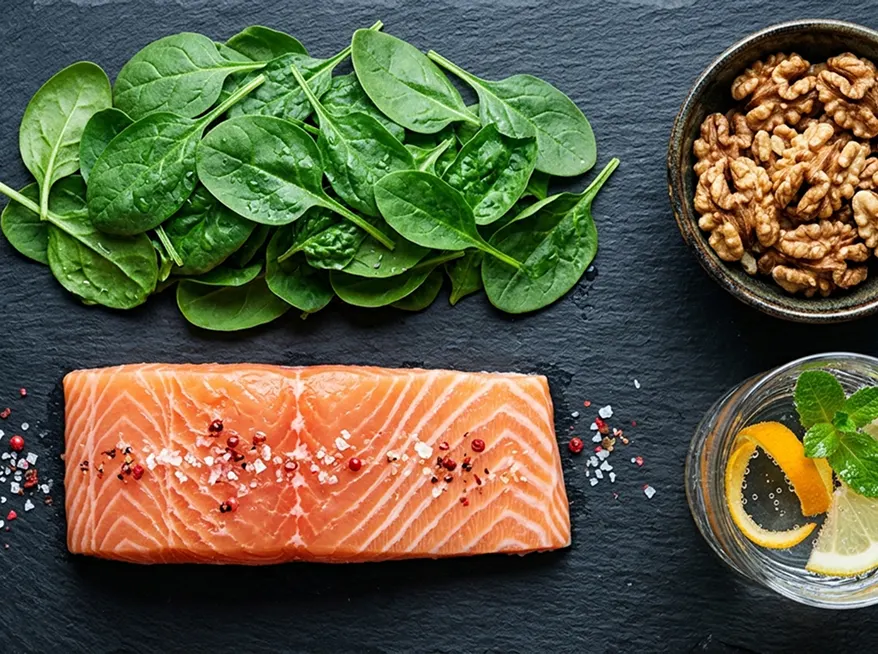
Choosing fresh fruits, vegetables, lean proteins, healthy fats, and whole grains may reduce exposure to highly processed ingredients that some people find difficult to tolerate.
Stay Hydrated
Adequate water intake supports digestion and helps the body process nutrients more efficiently.
Avoid Overeating
Large meals may place additional strain on digestion, increasing the likelihood of discomfort or fatigue after eating.
Eat Slowly
Taking time to chew food properly can improve digestion and reduce digestive discomfort.
Manage Stress
Stress doesn’t directly cause food sensitivities, but it can influence digestion and gut function. Activities such as walking, meditation, deep breathing, or regular exercise may help support overall health.
Foods That Support Better Digestive Health
While trigger foods vary from person to person, many foods naturally support digestive health and may contribute to better digestion.
Food
Potential Benefit
Yogurt with live cultures*
Supports beneficial gut bacteria.
Oats
Rich in fiber that supports digestion.
Bananas
Gentle on the digestive system.
Ginger
May help ease occasional digestive discomfort.
Leafy greens
Provide fiber and important nutrients.
Apple
Contain fiber that supports gut health.

When Should You Seek Professional Advice?
Occasional digestive discomfort isn’t uncommon, but recurring food sensitivity symptoms should not be ignored.
Consider speaking with a healthcare professional if you experience:
- Persistent fatigue after eating
- Ongoing digestive discomfort
- Frequent bloating
- Chronic headaches after meals
- Skin flare-ups linked to certain foods
- Difficulty identifying food triggers
- Symptoms that interfere with daily life
Early evaluation may help rule out other medical conditions while identifying dietary factors that may be contributing to your symptoms.
You can also learn more about digestive health through the National Institute of Diabetes and Digestive and Kidney Diseases (NIDDK)
How NAET May Help Support Individuals with Food Sensitivities
Many people looking for ways to manage recurring food sensitivity symptoms explore complementary approaches alongside dietary changes and medical care.
NAET (Nambudripad’s Allergy Elimination Techniques) is a non-invasive approach designed to help address sensitivities that may affect the body’s overall function. According to the clinic, the program focuses on reducing stress on the immune and nervous systems while supporting the body’s response to various sensitivities.
Some individuals seek support for concerns such as:
- Food sensitivities
- Chronic digestive discomfort
- Low energy levels
- Skin irritation
- Environmental sensitivities
- Sleep disturbances
The clinic’s personalized treatment approach aims to support overall wellness rather than simply managing individual symptoms. Families and individuals often choose this program as part of a broader strategy that may also include healthy nutrition, lifestyle changes, and guidance from healthcare professionals.
Conclusion
Living with recurring food sensitivity symptoms can be frustrating, especially when the cause isn’t immediately obvious. Symptoms such as fatigue after eating, digestive discomfort, headaches, or skin irritation may gradually affect your quality of life if left unaddressed.
Understanding the difference between food intolerance and food sensitivities, identifying potential triggers, and taking steps to support digestive health can make a meaningful difference over time.
If you’re looking for a personalized, non-invasive approach to managing food sensitivities and supporting overall wellness, The N.A.E.T Clinic offers programs designed to help individuals address underlying sensitivities while promoting long-term health.
FAQs
Common symptoms include bloating, headaches, skin irritation, digestive discomfort, brain fog, and fatigue after eating.
Yes. Food sensitivities may contribute to low energy levels by causing digestive discomfort, inflammation, or poor nutrient absorption. If fatigue continues without a clear reason, it’s worth discussing your symptoms with a healthcare provider.
Not exactly. Food intolerance usually results from difficulty digesting certain foods, while food sensitivities may involve a delayed biological response that can affect multiple body systems.
Feeling tired after meals may be related to meal size, blood sugar changes, poor sleep, or underlying food sensitivity symptoms.
Yes. Some people experience bloating, gas, stomach discomfort, diarrhea, or constipation when consuming foods their bodies struggle to tolerate.
Some individuals report eczema, acne, itching, or unexplained skin irritation that appears after eating certain foods.
Related Articles




Take the Next Step
If you’re searching for autism treatment near me, the next step is understanding what’s happening beneath the surface.