Skip to content
“Why does my child take so long to fall asleep when everyone else seems to drift off so easily?”
Many parents notice that bedtime looks very different from what they expected. Instead of a smooth routine, evenings may involve long periods of settling, frequent night waking, or early morning starts that leave the whole family feeling tired.
These autism sleep problems don’t just affect a child’s sleep. They can influence the whole family’s routine, leaving parents feeling tired, worried, and unsure about what to do next. It’s easy to wonder if something is being missed or if these challenges are simply part of autism.
The truth is that sleep difficulties are common in autistic children, but there isn’t one simple explanation. Every child is different, and many factors can influence how well they sleep. Understanding those factors is often the first step toward creating calmer nights and healthier sleep habits.
When Bedtime Becomes a Daily Challenge
For many families, bedtime is much more than brushing teeth and turning off the lights. It can become a routine filled with delays, restless nights, and repeated trips in and out of the bedroom. Parents often describe feeling exhausted because they know the night may involve several hours of comforting, settling, or helping their child fall back asleep.
Some children lie awake even though they seem tired. Others wake several times during the night or rise very early in the morning, ready to begin the day while the rest of the family is still asleep. Over time, these child sleep problems can affect not only the child’s daily routine but also parents, siblings, and family life as a whole.
Every family’s experience is different. One child may struggle to fall asleep, while another has no trouble falling asleep but finds it difficult to stay asleep. This is why comparing one child to another rarely provides helpful answers.
If this sounds familiar, it’s important to remember that you’re not alone. Many parents of autistic children experience similar bedtime challenges. Understanding why they happen can help replace frustration with confidence and prepare families to find strategies that better suit their child’s individual needs.
Why Children with Autism May Find Sleep More Difficult
Every child sleeps differently, but some autistic children experience challenges that can make bedtime feel more difficult. These differences don’t affect every child in the same way, which is why understanding your child’s individual needs is so important.
Several factors may contribute to sleep issues autism families experience, including:
- Sensitivity to sounds, lights, or room temperature.
- Difficulty relaxing after a busy or stimulating day.
- Changes in routine or unfamiliar environments.
- Feeling anxious or excited at bedtime.
- Finding it hard to recognize when it’s time to sleep.
For some children, even small changes to their evening routine can make falling asleep more difficult. Others may need extra time to transition from daytime activities to a calm bedtime environment.

What Can Affect a Child's Sleep?
There isn’t one single reason why children experience autism sleep problems. In many cases, several factors can influence how easily a child falls asleep or stays asleep throughout the night. Understanding these factors can help parents identify patterns instead of feeling overwhelmed by the challenges.
Some common factors that may affect sleep include:
- Sensory sensitivities: Everyday sounds, lights, bedding, or room temperature may feel uncomfortable at bedtime.
- Changes in routine: Even small changes to a child’s daily schedule can make it harder to settle down.
- Screen time before bed: Bright screens and stimulating activities may delay the body’s natural sleep cycle.
- Physical comfort: Hunger, digestive discomfort, or illness can make restful sleep more difficult.
- Emotional well-being: Excitement, worry, or anxiety may also affect a child’s ability to relax.
Not every child will experience the same challenges. Paying attention to what happens before bedtime can help parents better understand what supports their child’s sleep and where small adjustments may make a difference.
How Poor Sleep Can Affect Everyday Life
A restless night doesn’t always end when the morning begins. Just as adults can feel tired and less focused after poor sleep, children may also find everyday activities more challenging when they haven’t had enough rest.
Some parents notice that their child seems more irritable the next day, while others observe changes in attention, learning, or emotional regulation. A child who is already managing sensory differences may also find everyday situations feel more overwhelming after a poor night’s sleep.
Sleep challenges can affect more than the child alone. Parents often describe feeling exhausted themselves, especially after weeks or months of interrupted sleep. Siblings may also be affected if nighttime routines regularly disrupt the household.
This is why improving sleep isn’t only about helping a child rest. It can also support a calmer family routine and create a more positive start to each day.
Looking Beyond Sleepless Nights
When families talk about sleep concerns, the conversation often extends beyond bedtime. Parents may also have questions about sensory sensitivities, digestion, allergies, nutrition, or other health concerns that affect their child’s daily comfort.
Over the past 40 years, we have worked with many families seeking answers about their child’s overall health and development. One thing we have consistently observed is that sleep concerns are rarely an isolated issue. Parents often come to us after noticing changes in areas such as digestion, sensory responses, eating habits, or daily routines alongside sleep difficulties.
For example, some parents may notice that their child’s sleep changes alongside other concerns, such as increased sensitivity, changes in eating habits, or difficulties with daily routines. These observations can provide helpful information when families are exploring ways to support their child.
The N.A.E.T. Clinic’s educational resources, physician discussions, published research, and family stories can help parents continue learning about different factors that may influence their child’s health journey.

Learning From Families We Have Supported
Every child’s sleep journey is different. Over the years, many families have come to The N.A.E.T. Clinic with questions about bedtime struggles, frequent waking, and changes in their child’s sleep patterns.
Parents often tell us that their biggest challenge is not only the lack of sleep, but also not understanding why their child is struggling. A child who cannot settle at night may also be experiencing other challenges that affect their comfort, such as sensory sensitivities, changes in digestion, food concerns, or difficulty with daily routines.
Through working with families for more than 40 years, we have seen how important it is to look at the whole child rather than focusing on one concern alone. Understanding a child’s unique patterns, needs, and experiences can help parents make more informed decisions about the support they seek.
The stories shared by families we have worked with remind us that behind every sleep challenge is a child with their own strengths, needs, and journey. When parents better understand what may be contributing to their child’s difficulties, they often feel more confident in finding supportive steps forward.
Creating a Bedtime Routine That Supports Better Sleep
A predictable bedtime routine can help children understand that it is time to slow down and prepare for sleep. For many autistic children, knowing what will happen next can create a sense of comfort and security.
A good bedtime routine does not need to be complicated. The goal is to create a calm and consistent pattern that helps your child transition from daytime activities to rest.
Some simple steps parents can consider include:
- Keeping bedtime and wake up times as consistent as possible.
- Creating a quiet sleep environment with fewer distractions.
- Following the same bedtime steps each night.
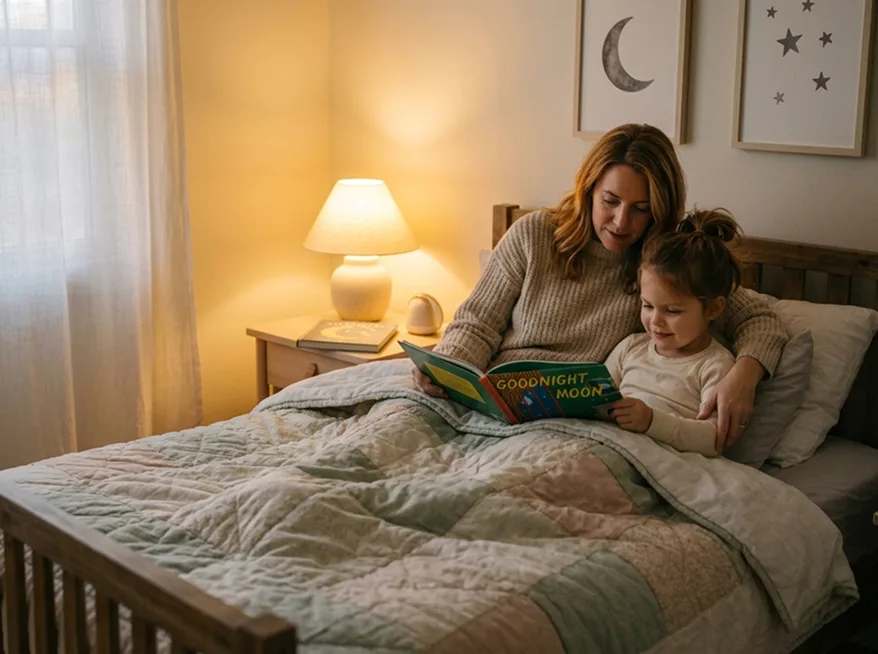
- Choosing calming activities before bed, such as reading or quiet play.
- Reducing activities that may make it harder to relax close to bedtime.
For children with sensory differences, small changes in the sleep environment may also make a difference. Some children may prefer a darker room, while others may feel more comfortable with a soft light. Some may sleep better with certain types of bedding or clothing.
An autism bedtime routine does not have to look the same as another child’s routine. What matters most is understanding what helps your child feel calm and comfortable. Building new habits can take time, so patience and consistency are often more helpful than expecting immediate changes.
When Should Parents Seek Professional Advice?
Occasional sleep difficulties are a normal part of childhood. However, when sleep challenges continue for a long time or begin affecting a child’s daily life, parents may benefit from seeking additional guidance.
Some signs that it may be helpful to discuss sleep concerns with a healthcare professional include:
- Ongoing difficulty falling asleep or staying asleep.
- Frequent nighttime waking that affects daytime activities.
- Significant changes in mood, energy, or behavior related to poor sleep.
- Sleep challenges that create stress for the child or the family.
Some children may experience autism insomnia, where falling asleep or maintaining sleep becomes a consistent challenge. Understanding the possible reasons behind these difficulties can help families explore appropriate support.
Parents do not need to wait until sleep challenges become overwhelming before asking questions. Seeking guidance can help families better understand their child’s needs and learn strategies that support overall health and well being.

Conclusion
Sleep challenges can be difficult for families, but they are only one part of a child’s overall journey. Every child has different needs, experiences, and ways of responding to the world around them.
Understanding the reasons behind autism sleep problems can help parents move away from frustration and focus on supportive solutions. Small improvements, such as creating a consistent routine, making the environment more comfortable, or learning more about a child’s individual needs, can make a meaningful difference over time.
At The N.A.E.T. Clinic, we believe that education helps families make informed decisions about their child’s health. If your child is experiencing ongoing sleep challenges, learning more about possible contributing factors can be an important first step. Explore our educational resources, physician discussions, and family stories to better understand your child’s unique needs.
FAQs
Sleep problems can happen in autistic children for many different reasons. Some children may have sensory sensitivities that make it harder to relax, while others may struggle with changes in routine, transitioning from daytime activities to bedtime, or staying asleep throughout the night. Every child is different, so understanding their individual needs is an important part of finding helpful strategies.
Yes, sensory sensitivities may affect how comfortable a child feels at bedtime. Some children may be more sensitive to sounds, lights, textures, temperature, or certain clothing materials. These experiences may make it harder for them to relax and create a comfortable sleep environment.
A predictable bedtime routine can help children know what to expect and prepare for sleep. Simple steps such as following the same bedtime schedule, creating a calm environment, reducing stimulating activities before bed, and using relaxing activities can help make bedtime feel more comfortable.
Parents may consider seeking professional guidance when sleep difficulties happen regularly, affect daily activities, or create ongoing stress for the child and family. A healthcare professional can help review possible factors contributing to sleep challenges and suggest appropriate next steps.
Sleep patterns can change as children grow, but challenges may continue for some children without support. Understanding what affects a child’s sleep and creating consistent routines can help families better manage sleep difficulties over time.
Related Articles




Take the Next Step
If you’re searching for autism treatment near me, the next step is understanding what’s happening beneath the surface.