Skip to content

When a child struggles with communication, emotional regulation, or social interaction, parents naturally begin searching for safe and supportive ways to help. For families navigating autism spectrum disorder (ASD), daily challenges can sometimes feel overwhelming – from sensory sensitivities and speech delays to emotional outbursts and difficulty with routines.
While medication may be recommended in certain situations, many families today are exploring drug-free autism treatment options that focus on long-term development, communication skills, emotional balance, and daily functioning through supportive therapies and healthy lifestyle approaches.
Clinical Perspective on Autism Support
Autism spectrum disorder (ASD) is understood in clinical practice as a neurodevelopmental condition that affects communication, behavior, sensory processing, and social interaction. According to leading pediatric and developmental health organizations, early intervention and structured therapeutic support can significantly improve functional outcomes for many children.
Healthcare professionals typically emphasize a multidisciplinary approach, which may include behavioral therapy, speech-language support, occupational therapy, and family-based intervention strategies. These approaches are tailored to the child’s developmental profile rather than a one-size-fits-all model.
Trusted organizations such as the American Academy of Pediatrics and the Centers for Disease Control and Prevention highlight the importance of early diagnosis and individualized intervention planning.
Understanding Autism Beyond Symptoms
Autism is not a disease. It is a developmental condition that affects how a child communicates, interacts, learns, and responds to the world around them. Every child with autism is different. Some children may have speech delays, while others may struggle with sensory sensitivity, emotional regulation, or social interaction.
This is why many experts now focus on personalized care instead of one single treatment method. Parents are increasingly choosing drug-free autism treatment options because they often focus on:
- Long-term development
- Emotional support
- Behavioral improvement
- Better daily functioning
- Safe and non-invasive care

Why Many Parents Prefer Natural Support
Families often look for approaches that support the whole child instead of only managing symptoms. A growing number of parents prefer natural autism treatment methods because they want solutions that work gently with the child’s body and mind.
Some common reasons include:
- Concern about medication side effects
- Desire for long-term improvement
- Focus on emotional and social growth
- Interest in natural healing approaches
- Personalized support plans
Natural approaches do not mean avoiding professional care. Instead, they combine therapies, nutrition, behavior support, and healthy routines in a balanced way.
Common Drug-Free Autism Treatment Options
Here are some widely used therapies and supportive methods that many families consider helpful.
1. Behavioral Therapy
Behavioral therapy is one of the most recommended treatment options for children with autism.
It helps children:
- Improve communication
- Develop social skills
- Reduce repetitive behaviors
- Learn daily routines
- Build confidence
Research-supported therapies such as Applied Behavior Analysis (ABA), speech therapy, and occupational therapy are widely recommended by developmental specialists and autism professionals as part of comprehensive autism support plans. These therapies are typically personalized according to the child’s communication style, developmental needs, and sensory challenges.

2. Speech and Language Therapy
Many children with autism struggle with communication. Some may speak very little, while others may have difficulty expressing emotions or understanding conversations.
Speech therapy helps children:
- Improve speaking skills
- Understand language better
- Learn non-verbal communication
- Build social interaction skills
This therapy can greatly improve confidence and reduce frustration in children who find communication challenging. For many families, speech therapy becomes an important part of their autism treatment plan.
3. Occupational Therapy
Occupational therapy focuses on helping children become more independent in daily life.
This may include support with:
- Eating habits
- Dressing
- Writing skills
- Hand coordination
- Sensory processing
- Emotional regulation
Children with autism often experience sensory challenges. Some may be sensitive to sounds, lights, textures, or crowded places. Occupational therapists use activities and exercises to help children feel more comfortable and confident in different environments.

4. Sensory Integration Therapy
Sensory overload can make daily activities difficult for children with autism.
Sensory integration therapy is a type of holistic autism treatment designed to help children process sensory information more effectively.
Therapists may use:
- Movement exercises
- Swing therapy
- Balance activities
- Texture-based games
- Calm sensory rooms
The goal is to help the nervous system respond more calmly to everyday experiences.
5. Nutrition and Dietary Support
Nutrition plays a major role in overall brain and body health. Some families notice behavioral or digestive improvements after making dietary changes under professional guidance.
A balanced diet may help with:
- Gut health
- Energy levels
- Mood stability
- Focus and concentration
- Sleep quality
While some families report improvements in digestion, focus, or overall well-being through dietary adjustments, nutrition plans should always be guided by qualified healthcare professionals or registered dietitians. Every child has unique nutritional needs, and individualized guidance is important to maintain balanced growth and development.
Important note: Dietary changes should always be discussed with qualified healthcare professionals to ensure proper nutrition.

6. Parent Training and Family Support
Parents are a child’s biggest support system.
Family-focused programs teach parents practical strategies to:
- Handle meltdowns calmly
- Improve communication
- Build routines
- Encourage positive behavior
- Support emotional development
This type of autism support without medication creates a stronger and more understanding home environment.
Small daily improvements can lead to meaningful long-term progress.
The Importance of Early Intervention
Early support can make a significant difference in a child’s development. When therapies begin at a younger age, children often respond more positively because the brain is still developing rapidly.
Early intervention may help improve:
- Communication
- Learning ability
- Emotional control
- Social interaction
- Daily living skills
This is why many specialists encourage parents to explore the autism treatment options as early as possible after diagnosis or developmental concerns.
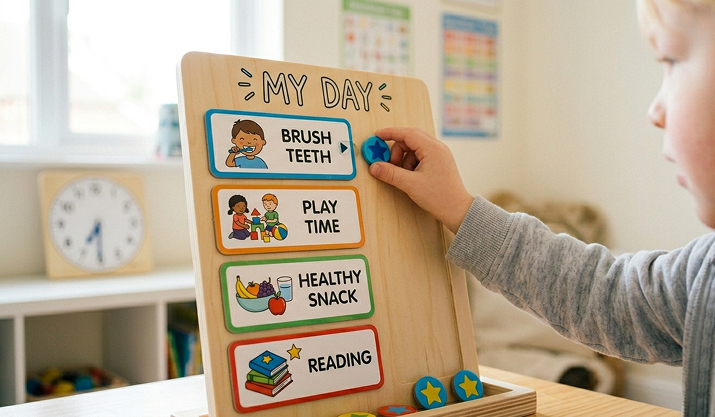
Creating a Supportive Daily Routine
Children with autism often feel safer and calmer with predictable routines. A structured daily schedule can reduce anxiety and improve behavior.
Helpful routine tips include:
- Keep Instructions Simple: Use short and clear sentences.
- Maintain Regular Sleep Patterns: Good sleep supports emotional balance and focus.
- Reduce Screen Overload: Too much screen time may increase sensory stress.
- Encourage Physical Activity: Outdoor play, walking, yoga, or movement games can help release stress.
- Celebrate Small Progress: Every achievement matters, even small improvements.
A calm and consistent environment supports the success of many drug-free autism treatment options.
Can Holistic Approaches Really Help?
Many families report positive changes through combined therapies and lifestyle support. However, it’s important to understand that autism affects every child differently.
What works for one child may not work the same way for another. That is why personalized care matters most.
A professional team may include:
- Behavioral therapists
- Occupational therapists
- Speech therapists
- Nutrition experts
- Child development specialists
Together, these professionals can create a balanced and effective holistic autism therapy plan tailored to the child’s needs.
Signs That a Therapy Approach Is Helping
Parents often wonder how to know if a treatment approach is working.
Positive signs may include:
- Better eye contact
- Improved communication
- Reduced anxiety
- Better focus
- Improved sleep
- Increased social interaction
- Fewer emotional outbursts
Progress usually happens gradually. Patience and consistency are extremely important.

Building Confidence in Children With Autism
Beyond therapies, emotional support matters deeply. Children with autism thrive when they feel:
- Understood
- Accepted
- Safe
- Encouraged
- Supported
Simple activities can boost confidence:
- Art and music
- Storytelling
- Outdoor play
- Social skill groups
- Creative hobbies
Strong emotional connection at home often improves the effectiveness of autism support without medication.
The Future of Natural Autism Support
Today, more families are becoming aware of gentle and supportive care methods. Modern autism care is moving toward:
- Personalized treatment plans
- Whole-child wellness
- Family involvement
- Development-focused therapies
- Natural lifestyle support
This growing awareness is encouraging more parents to explore safe and balanced treatment for long-term growth and well-being.
Final Thoughts
Every child with autism has unique strengths, challenges, and potential. There is no single solution that works for everyone, but many families find meaningful improvement through structured therapies, healthy routines, and compassionate care.
The right combination of behavioral support, nutrition, communication therapy, and emotional guidance can help children develop important life skills naturally. If you are exploring trusted and professional guidance for autism treatment, platforms like The NAET Clinic offer supportive approaches focused on holistic child wellness and individualized care.
FAQs
These include therapies and lifestyle approaches that support autism development without depending entirely on medication.
Natural autism treatment may help improve communication, behavior, focus, and emotional well-being in some children.
Holistic autism therapy supports the child through behavioral care, sensory support, nutrition, and healthy routines.
Early support may help improve communication, behavior, learning, and social skills during key developmental stages.
Common autism therapies include ABA, speech therapy, occupational therapy, and sensory integration therapy.
Related Articles




Take the Next Step
If you’re searching for autism treatment near me, the next step is understanding what’s happening beneath the surface.